Maintaining the longevity, performance, and appearance of a home requires attention to every part of the exterior, including the roof. While roofing materials are designed to withstand years of exposure to rain, wind, sunlight, and changing temperatures, they still require appropriate maintenance. Dirt, leaves, algae, moss, and other organic materials can gradually accumulate and create conditions that contribute to premature deterioration. Hiring a professional roof cleaning service allows homeowners to address these concerns without taking unnecessary risks or accidentally damaging important roofing components. Professional cleaning involves much more than improving curb appeal. Experienced technicians understand how roofing materials respond to moisture, pressure, cleaning products, and physical contact. They can select appropriate methods while identifying areas that may require additional attention. Professional care can also help homeowners avoid mistakes that could result in damaged shingles, water intrusion, or personal injury. Taking a proactive approach to roof maintenance supports the structure's ability to protect the home over the long term.
1. Ensuring the Right Techniques for Roofing Materials
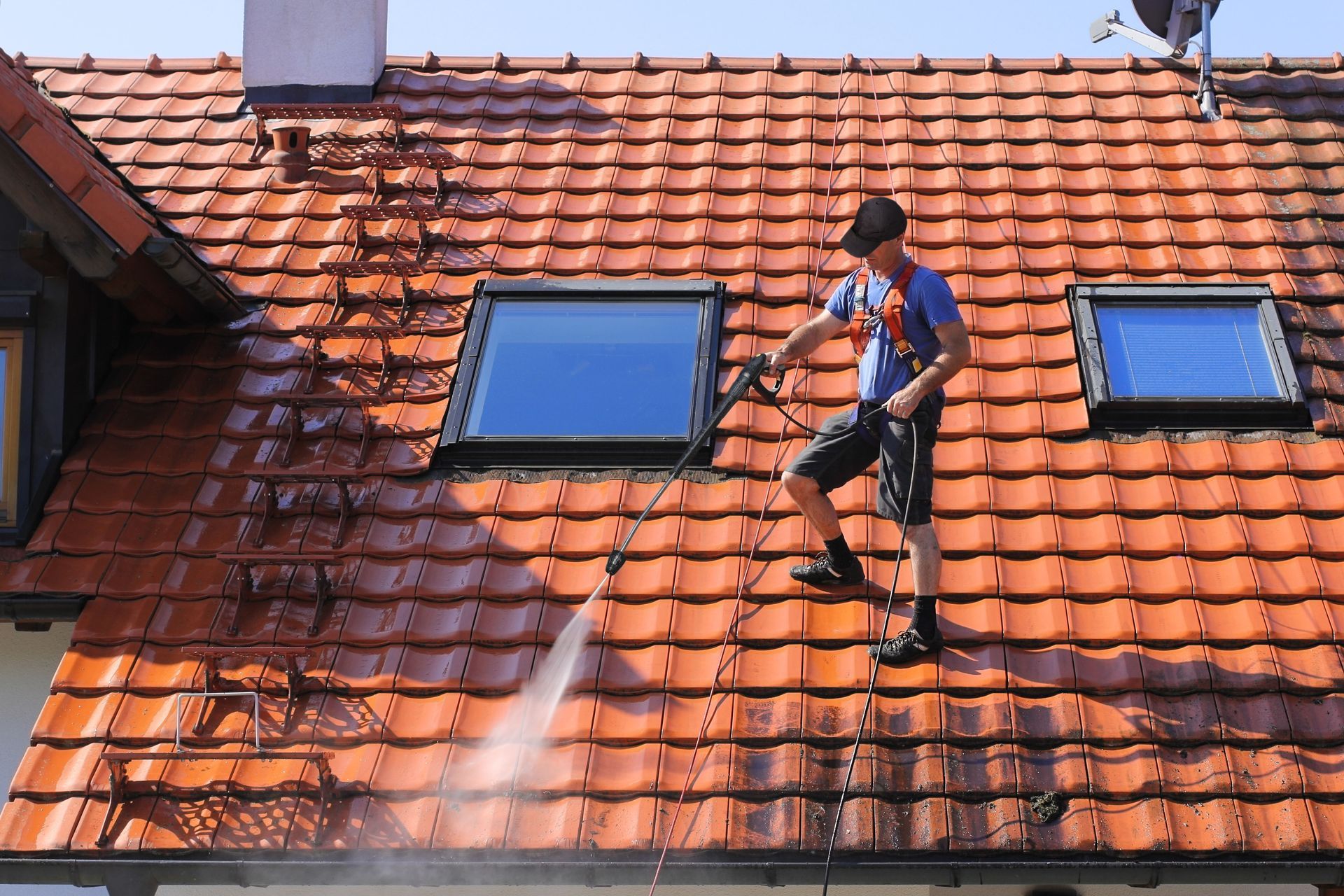
Roofing materials vary considerably, and each type has specific maintenance requirements. Asphalt shingles, metal panels, clay tiles, concrete tiles, and other materials do not necessarily respond to cleaning methods in the same way. Professionals understand these differences and can adjust their procedures accordingly. An experienced roof cleaning service evaluates the roof before beginning work so that pressure levels, equipment, and cleaning solutions can be selected based on the condition and material of the surface.
This knowledge is particularly important because aggressive cleaning can create problems rather than solve them. Excessive pressure may loosen shingles, remove protective granules, disturb flashing, or force water underneath roofing materials. Harsh chemicals can also affect finishes, coatings, vegetation, and nearby exterior surfaces. Professionals are trained to recognize these risks and use methods intended to remove unwanted buildup while preserving the underlying roof.
Experienced technicians can also recognize unusual characteristics that require additional care. Older materials, previously repaired sections, weathered shingles, and delicate architectural features may need different treatment than newer areas. By adapting their methods instead of applying a single approach to every roof, professionals can provide a more controlled cleaning process.
2. Using Specialized Equipment for Thorough Cleaning
Effective roof maintenance requires more than a garden hose, household brush, or conventional pressure washer. Professional cleaners have access to equipment designed for exterior maintenance and roofing applications. Depending on the roof, this may include low-pressure systems, specialized sprayers, soft brushes, vacuums, blowers, and other tools that help remove debris without unnecessary abrasion. Appropriate equipment also allows technicians to work around roof valleys, edges, vents, chimneys, and other difficult areas.
Specialized equipment can make the cleaning process more consistent. Instead of applying excessive force to stubborn stains, trained technicians can use suitable solutions and controlled application methods to loosen organic growth. This reduces the likelihood of damaging roofing materials while still addressing visible discoloration and buildup. Professionals can also select tools based on roof slope, accessibility, and surface condition.
A professional roof cleaning service may also take steps to protect landscaping, siding, windows, gutters, and other areas surrounding the home. Thoughtful preparation can reduce runoff concerns and prevent debris removed from the roof from creating another maintenance problem elsewhere on the property.
3. Reducing the Risks Associated With Working at Height
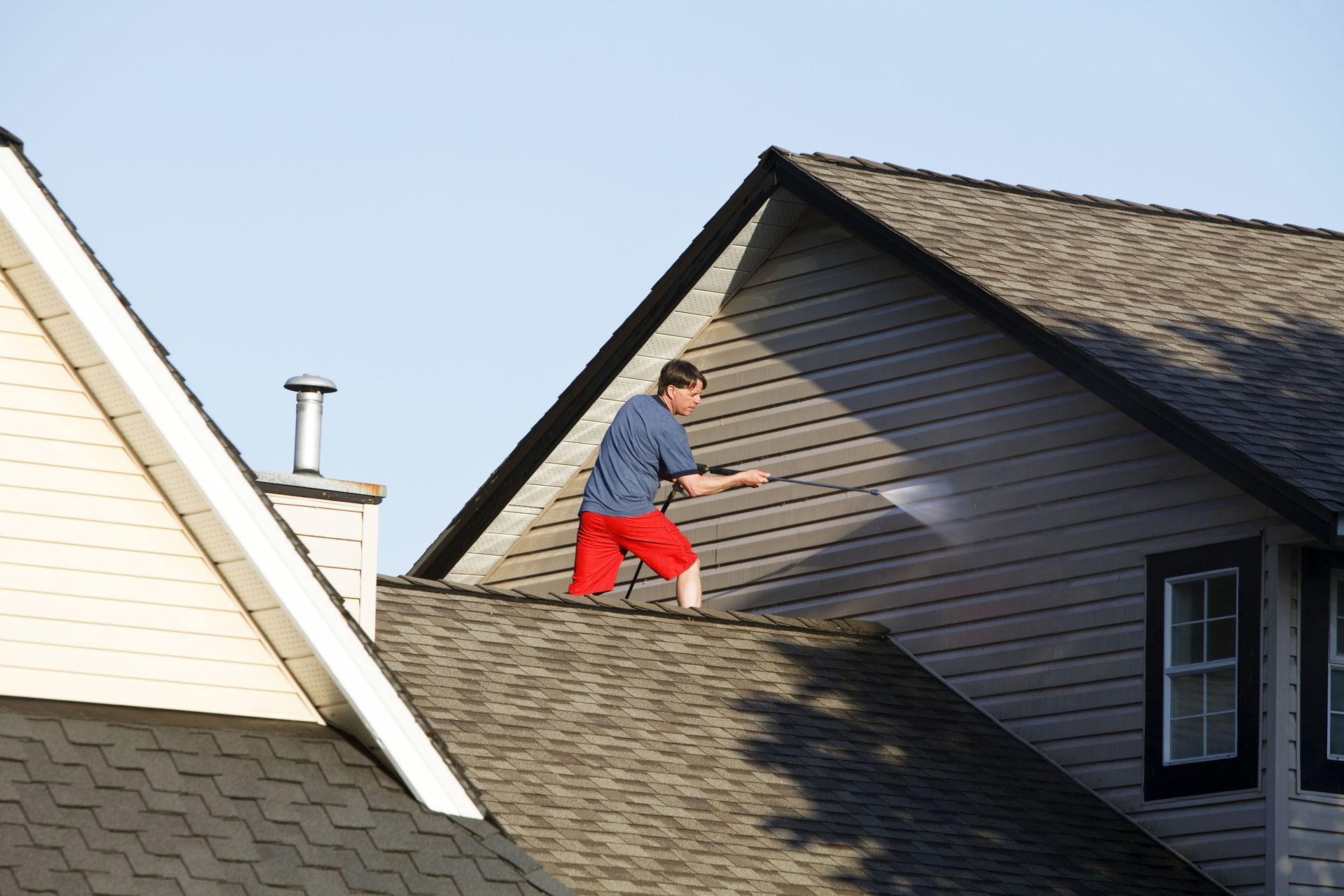
Safety is one of the strongest reasons to leave roof maintenance to trained professionals. Even a relatively low roof can become dangerous when its surface is wet, covered in algae, or obstructed by leaves and debris. Carrying equipment up a ladder and moving across sloped roofing surfaces adds additional hazards. Homeowners without proper training may underestimate how quickly footing can become unstable during cleaning.
Professional technicians are familiar with procedures for safely accessing and navigating roofing systems. Depending on the job and applicable requirements, they may use fall-protection equipment, appropriate footwear, ladders, and other safety equipment. They are also trained to recognize hazards such as unstable roofing materials, steep slopes, electrical lines, weak areas, and slippery organic growth.
Choosing professionals allows homeowners to avoid exposing themselves to these unnecessary hazards. Rather than attempting to balance cleaning tools while navigating an elevated surface, property owners can rely on workers who routinely perform these tasks and understand the precautions associated with them.
4. Protecting Shingles and Other Roofing Components
A roof may look durable from the ground, but many of its components require careful handling. Asphalt shingles, for example, can lose protective granules if subjected to excessive pressure or aggressive scrubbing. Tiles may crack under improper foot placement, while flashing and seals around penetrations can be disturbed by careless cleaning. A qualified roof cleaning service understands how to work around these vulnerable areas without unnecessarily stressing the roofing system.
Professional cleaners can also adjust their approach when they discover aging or weakened materials. Instead of treating every section identically, technicians may reduce pressure or avoid direct physical contact with particularly fragile areas. Recognizing these vulnerabilities before cleaning them can prevent a maintenance project from turning into an unexpected repair.
Careful cleaning helps preserve the roof's existing protective features. Removing contaminants without stripping coatings or damaging surfaces allows roofing materials to continue performing their intended function. This approach is especially important for homeowners hoping to maximize the useful life of an existing roof.
5. Controlling Moss, Algae, and Organic Growth
Moss and algae are common concerns on roofs, particularly in shaded areas or climates where moisture remains on surfaces for extended periods. Organic growth can create dark streaks, green patches, and other discoloration that makes a home appear poorly maintained. Moss can also trap moisture against roofing surfaces, creating conditions that may accelerate deterioration over time.
Professional cleaning targets existing organic growth while reducing the conditions that allow heavy buildup to remain. Technicians can apply appropriate products and procedures rather than aggressively scraping moss from shingles. According to Today's Homeowner, regular roof cleaning can prevent algae, moss, and grime from eating away at shingles, potentially helping a roof last 5–10 years longer. This illustrates why consistent maintenance can be important for protecting roofing materials rather than simply improving appearance.
Regular attention can be particularly beneficial for homes surrounded by trees or located in humid environments. A roof cleaning service can help homeowners establish a maintenance schedule based on local conditions, roof orientation, nearby vegetation, and the rate at which organic material tends to return.
6. Removing Debris and Supporting Proper Drainage
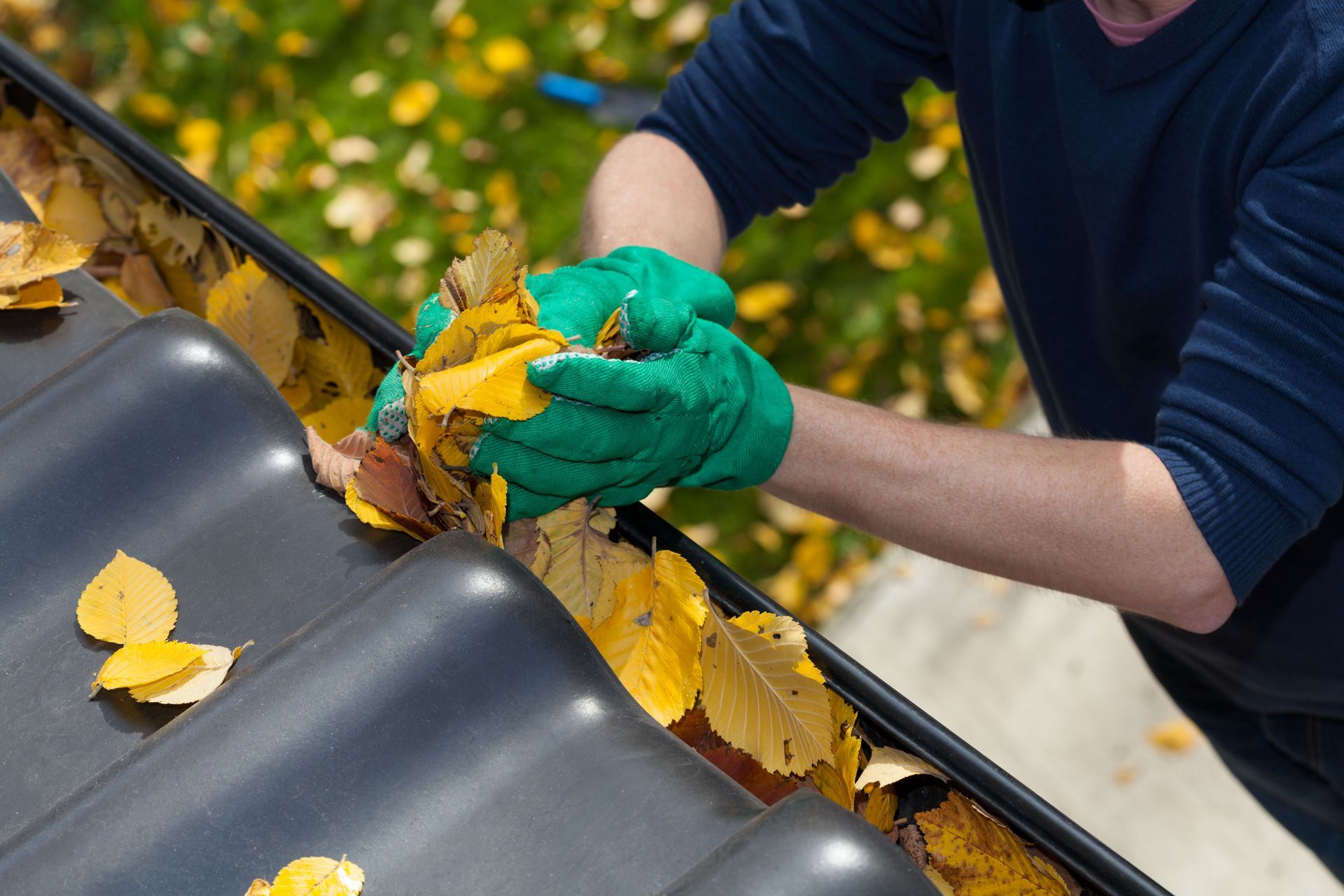
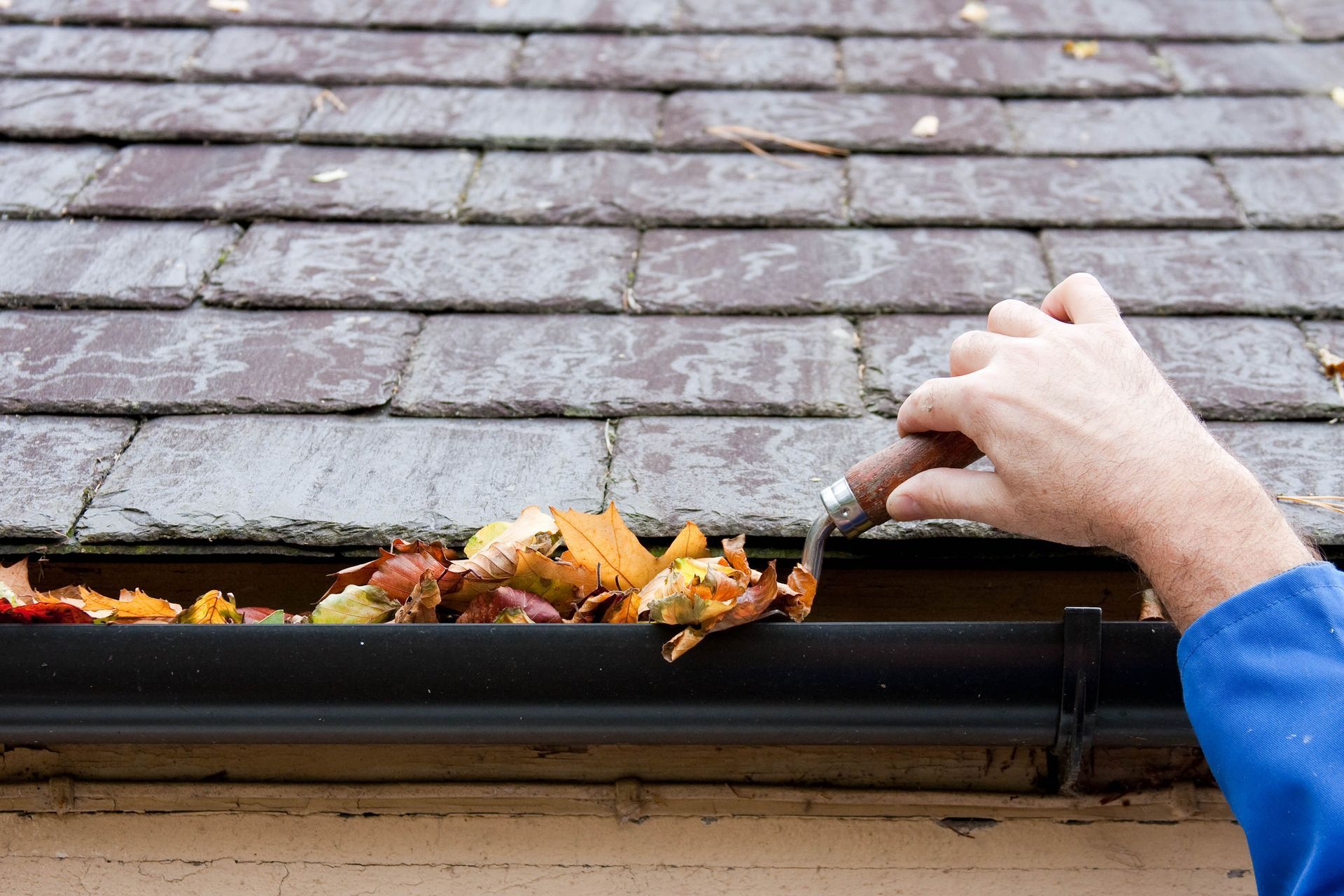
Leaves, twigs, pine needles, seed pods, and other debris can collect in roof valleys, behind chimneys, around vents, and near gutters. When this material remains in place, it can trap moisture and interfere with the normal movement of rainwater. Damp organic debris may also provide favorable conditions for moss, algae, insects, or other unwanted activity.
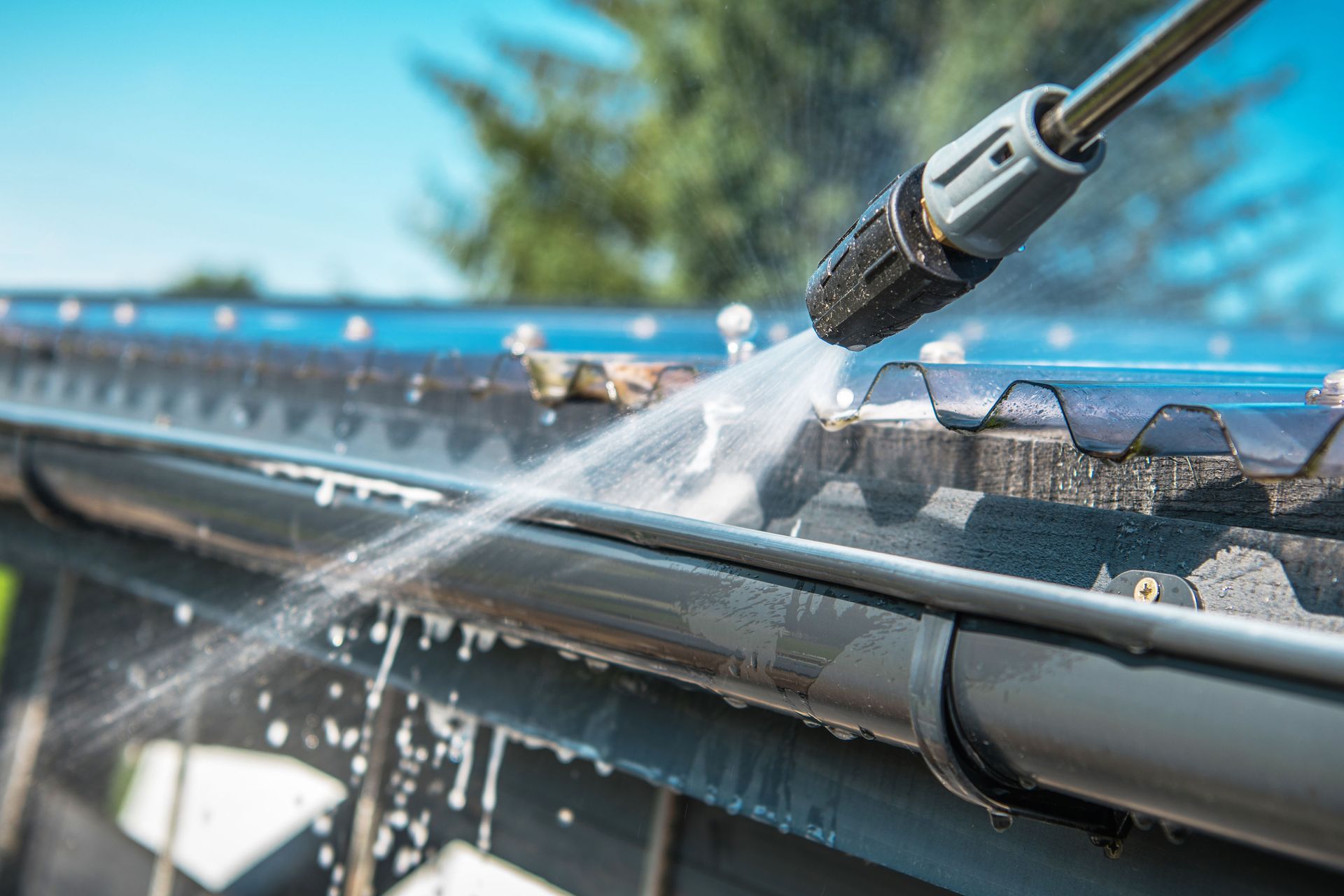
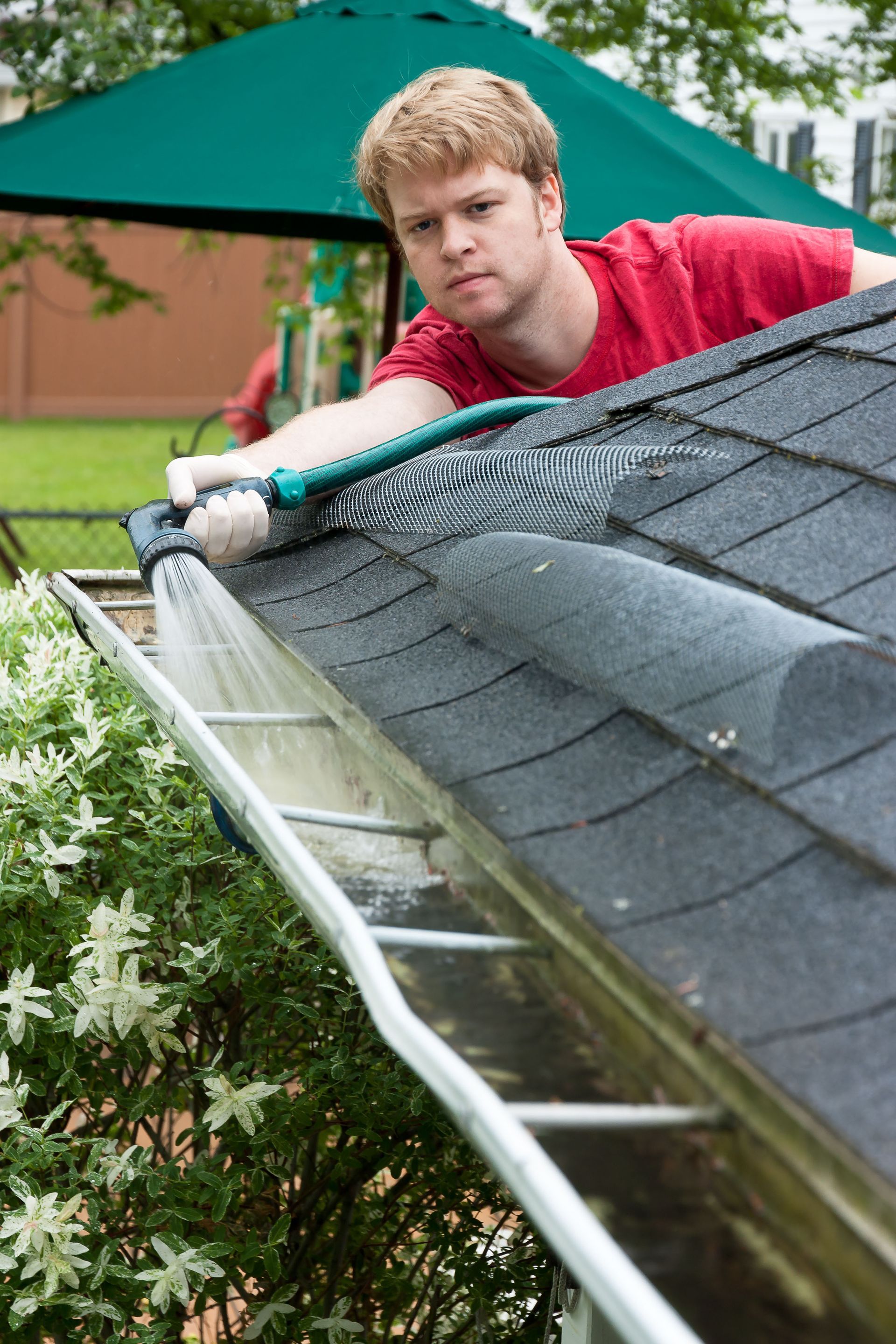
Professionals methodically remove accumulated materials from areas that homeowners may not easily see from the ground. Clearing these obstructions helps water move toward gutters and drainage systems instead of pooling in vulnerable sections. Technicians may also notice blocked gutters or downspouts that deserve additional attention.
Preventive measures can further reduce future accumulation. Trimming branches that hang directly over the roof, monitoring gutters, and scheduling periodic inspections can all contribute to better drainage. Keeping roofing surfaces reasonably clear helps reduce prolonged moisture exposure and supports more consistent roof performance.
A professional roof cleaning service offers homeowners a practical way to maintain an important structural component without assuming the risks of elevated work or experimenting with unfamiliar cleaning methods. Through careful material assessment, specialized equipment, controlled cleaning procedures, debris removal, and attention to developing concerns, professionals can help preserve both the appearance and performance of the roof. Regular maintenance ultimately supports a cleaner exterior, better drainage, and a roofing system that remains prepared to protect the home through changing seasons. Contact our team at ABM Pressure Washing & Gutter Cleaning LLC today and learn more about our roof cleaning services.
Share On: